
The Impact of Weather on Remote Control Wiring Harness Performance in Off-Road Vehicles
Dec 17,2025
Summary:
The Impact of Weather on Remote Control Wiring Harness Performance in Off-Road Vehicles
Table of Contents
1. Introduction
2. Understanding Remote Control Wiring Harnesses
3. Weather Conditions Affecting Performance
4. Moisture and Its Impact on Wiring Harness Integration
5. Temperature Variations and Electrical Performance
6. Dust and Debris Challenges in Off-Road Environm
The Impact of Weather on Remote Control Wiring Harness Performance in Off-Road Vehicles
Table of Contents
- 1. Introduction
- 2. Understanding Remote Control Wiring Harnesses
- 3. Weather Conditions Affecting Performance
- 4. Moisture and Its Impact on Wiring Harness Integration
- 5. Temperature Variations and Electrical Performance
- 6. Dust and Debris Challenges in Off-Road Environments
- 7. Protective Measures for Wiring Harnesses
- 8. Maintenance Tips for Enhanced Longevity
- 9. Conclusion
- 10. Frequently Asked Questions (FAQs)
1. Introduction
In the rugged world of off-road vehicles, the performance of remote control wiring harnesses is paramount. These intricate systems play a pivotal role in ensuring that electrical components operate efficiently, regardless of the conditions encountered. **Weather**, with its unpredictable nature, can significantly impact the reliability and functionality of these wiring harnesses. This article aims to provide an in-depth analysis of how various weather elements affect the performance of remote control wiring harnesses in off-road vehicles.
2. Understanding Remote Control Wiring Harnesses
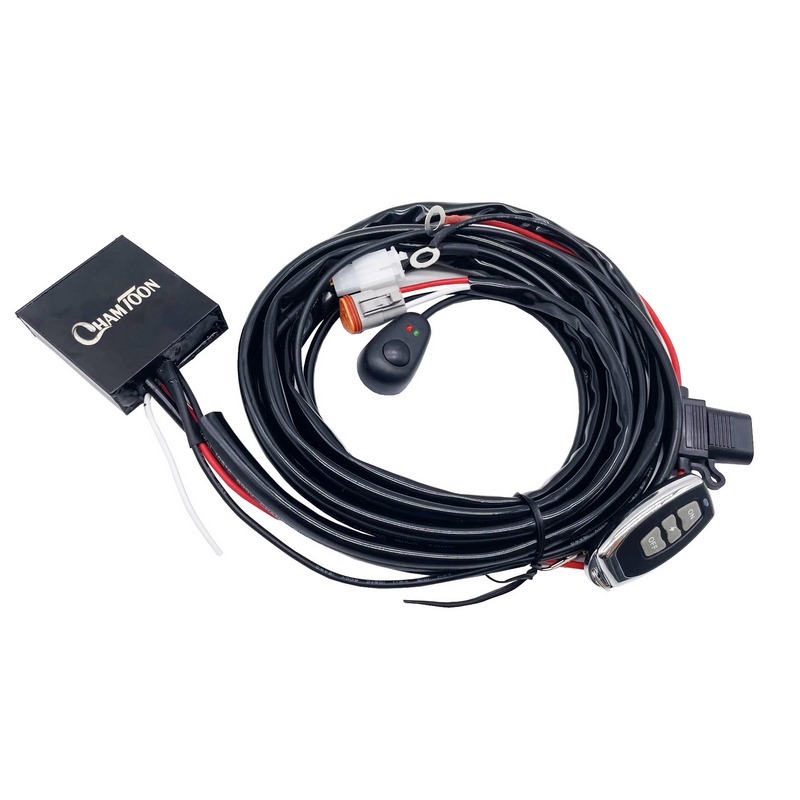
A **remote control wiring harness** serves as the nervous system of off-road vehicles, connecting various electrical components such as motors, batteries, and receivers. These harnesses consist of multiple wires bundled together, often equipped with connectors and terminals that facilitate communication between different parts of the vehicle. Their design is crucial for ensuring optimal electrical performance, even when faced with the challenges presented by extreme weather conditions.
2.1 Key Components of Wiring Harnesses
The primary components of a wiring harness include:
- **Wires**: Conductive materials that carry electrical signals.
- **Connectors**: Points where wires join, enabling easy assembly and disassembly.
- **Insulation**: Materials that protect wires from environmental factors.
- **Terminals**: Connection points for battery and load integration.
Understanding these components helps in grasping how weather influences their performance.
3. Weather Conditions Affecting Performance
Various weather conditions can adversely affect the operation of remote control wiring harnesses. Key factors include:
- **Moisture**: Rain, humidity, and snow can introduce water into the electrical systems.
- **Temperature extremes**: High heat or extreme cold can affect electrical resistance.
- **Dust and debris**: Off-road environments are often laden with dirt and particulate matter that can compromise connections.
Each of these conditions presents unique challenges that vehicle owners must navigate to ensure reliable performance.
4. Moisture and Its Impact on Wiring Harness Integration
Moisture is arguably the most significant environmental factor impacting wiring harnesses in off-road vehicles. When water infiltrates the connections and insulation of wiring harnesses, it can lead to several issues:
4.1 Corrosion of Electrical Contacts
**Corrosion** can occur when moisture interacts with metal components. This reaction degrades the metals over time, leading to increased resistance and potential failure of electrical systems. Ensuring that connectors and terminals are waterproof or corrosion-resistant is crucial.
4.2 Short Circuits and Electrical Failures
Water intrusion can result in **short circuits**, where unintended electrical paths are created. This malfunction can cause various electrical failures, from minor glitches to complete system shutdowns, jeopardizing the vehicle's performance in critical situations.
5. Temperature Variations and Electrical Performance
Temperature fluctuations can drastically affect the conductivity and performance of remote control wiring harnesses:
5.1 Effects of Extreme Heat
High temperatures can cause insulation materials to degrade, leading to wire exposure. This exposure increases the risk of short circuits and electrical fires, necessitating the use of heat-resistant materials in harness design.
5.2 Effects of Extreme Cold
Conversely, cold temperatures can make materials brittle and less flexible, leading to cracks or breaks in the wiring. This brittleness can hinder the performance of electrical connections, especially during vigorous off-road activities.
6. Dust and Debris Challenges in Off-Road Environments
Off-road vehicles often traverse through dusty trails and rugged terrains, where dirt and debris can pose significant hazards to wiring harnesses.
6.1 Accumulation of Particulate Matter
Dust and other particulates can accumulate in connectors and on wires, impeding electrical connectivity. Regular cleaning and protective measures are essential to maintaining proper functionality.
6.2 Abrasion and Physical Damage
In addition to electronic issues, the physical presence of debris can lead to abrasion on wires, particularly in high-friction areas. This abrasion can expose wires, leading to increased risk of shorts and failures.
7. Protective Measures for Wiring Harnesses
To combat the adverse effects of weather on remote control wiring harnesses, implementing protective measures is essential:
7.1 Using Weather-Resistant Materials
Utilizing **weather-resistant materials**, such as specialized coatings and insulation types, offers enhanced protection against moisture, heat, and physical damage.
7.2 Sealing Connectors and Junctions
Sealing connectors and junctions with waterproof grommets or silicone can prevent moisture intrusion, safeguarding the integrity of electrical connections.
7.3 Regular Inspections and Maintenance
Conducting **regular inspections** of wiring harnesses can help identify signs of wear or damage early. Vehicle owners should proactively replace corroded connectors and frayed wires to prevent system failures.
8. Maintenance Tips for Enhanced Longevity
To ensure the long-term performance of remote control wiring harnesses, consider these maintenance tips:
8.1 Routine Cleaning
Regularly clean the wiring harness and connectors to remove dust and debris. Using compressed air can effectively clear out hard-to-reach areas.
8.2 Applying Protective Coatings
Consider applying protective coatings to vulnerable areas, enhancing moisture resistance and preventing corrosion.
8.3 Monitoring Environmental Conditions
Be aware of the environmental conditions during off-road activities. Avoiding extreme weather whenever possible can help preserve wiring integrity.
9. Conclusion
The performance of remote control wiring harnesses in off-road vehicles is significantly influenced by weather conditions. Moisture, temperature extremes, and particulate matter all present challenges that can compromise electrical systems. By understanding these factors and implementing protective measures, vehicle owners can enhance the reliability and longevity of their wiring harnesses. Effective maintenance practices further ensure that off-road adventures can continue unhindered, regardless of the weather.
10. Frequently Asked Questions (FAQs)
What is a wiring harness?
A wiring harness is a collection of wires, connectors, and terminals that facilitate the electrical connections within a vehicle.
How does moisture affect wiring harness performance?
Moisture can lead to corrosion, short circuits, and electrical failures, significantly impacting the performance of a wiring harness.
What materials are best for off-road wiring harnesses?
Weather-resistant materials, such as silicone insulation and corrosion-resistant connectors, are ideal for off-road wiring harnesses.
How can I protect my wiring harness from dust and debris?
Sealing connectors, using weather-resistant materials, and conducting regular cleanings can help protect wiring harnesses from environmental debris.
What routine maintenance should I perform on my wiring harness?
Routine maintenance includes regular inspections, cleaning, and applying protective coatings to extend the lifespan and efficiency of the wiring harness.
Latest News

Welcome to Our Factory: Schedule Your Visit During the Canton Fair!
Schedule Your Visit Ahead of Time
To ensure we can provide you with a dedicated tour and personalized service, we recommend booking your visit in advance.

Essential Guide to Remote Control Wiring Harness for Off-Road Vehicles
When it comes to customizing off-road vehicles, one of the essential components is the remote control wiring harness. This specialized harness is designed to handle the unique demands of off-road environments, where durability and reliability are paramount. Understanding its construction, functionality, and installation can significantly enhance your vehicle's capability and ease of use.
A remote

ONLINE CONSULTATION
中企跨境-全域组件
制作前进入CSS配置样式
Get Quote:
WhatsApp:
E-mail:
Hotline::
在线客服添加返回顶部
右侧在线客服样式 1,2,3 1
图片alt标题设置: Chentong
表单验证提示文本: Content cannot be empty!
循环体没有内容时: Sorry,no matching items were found.
CSS / JS 文件放置地