
Ultimate Guide to Remote Control Wiring Harness Specifications for Off-Road Vehicles
Nov 29,2025
Summary:
Ultimate Guide to Remote Control Wiring Harness Specifications for Off-Road Vehicles
Table of Contents
1. Understanding Remote Control Wiring Harnesses
2. Key Specifications to Consider
2.1 Wire Gauge and Material
2.2 Connector Types and Compatibility
2.3 Length of Wiring Harness
2.4 Insulation and Weather Resistance
3. Installation Guidelines for Off-Road Wiring Harnesses
3.1 Tools Required for I
Ultimate Guide to Remote Control Wiring Harness Specifications for Off-Road Vehicles
Table of Contents
1. Understanding Remote Control Wiring Harnesses
2. Key Specifications to Consider
2.1 Wire Gauge and Material
2.2 Connector Types and Compatibility
2.3 Length of Wiring Harness
2.4 Insulation and Weather Resistance
3. Installation Guidelines for Off-Road Wiring Harnesses
3.1 Tools Required for Installation
3.2 Step-by-Step Installation Process
4. Common Issues and Troubleshooting
5. Frequently Asked Questions (FAQs)
6. Conclusion
1. Understanding Remote Control Wiring Harnesses
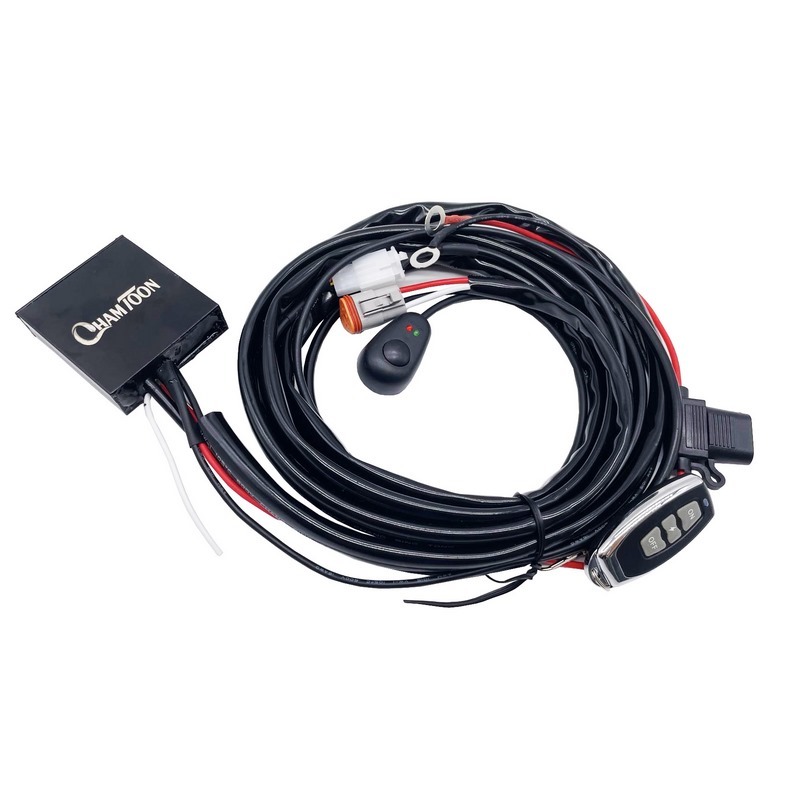
Remote control wiring harnesses are crucial components in off-road vehicles, primarily used to connect electronic accessories such as lights, winches, and other devices to the vehicle's electrical system. These harnesses enable the seamless operation of remote-controlled devices, enhancing both functionality and safety during off-road adventures.
The market offers various wiring harnesses designed specifically for different vehicle models and applications. Understanding the specifications that matter will help you select the right option for your needs.
2. Key Specifications to Consider
When choosing a **remote control wiring harness** for your off-road vehicle, several key specifications require your attention. Let’s delve deeper into these essential factors.
2.1 Wire Gauge and Material
The **wire gauge** is a critical specification as it affects the amount of current the harness can handle. For off-road applications, a lower gauge number indicates a thicker wire, which can support higher currents. Common gauges for off-road wiring harnesses range from 12 to 16 AWG.
Additionally, the wire material plays a vital role in durability and performance. Copper wires are preferred due to their excellent conductivity and flexibility compared to aluminum options, which may be less expensive but are prone to corrosion over time.
2.2 Connector Types and Compatibility
The **connectors** used in your wiring harness must match the vehicles' electrical system and the accessories you plan to install. Look for harnesses that offer **weatherproof connectors**, as these are designed to withstand the harsh conditions typical in off-road environments. Common types of connectors include:
- **Spade connectors**
- **Butt connectors**
- **Ring terminals**
Always check the compatibility of the wiring harness with your specific vehicle make and model to avoid connection issues.
2.3 Length of Wiring Harness
The **length** of the wiring harness is another significant specification. It should be sufficient to reach from the vehicle's electrical system to the accessory you are connecting while maintaining a clean and organized installation. Measure the distance accurately and consider some extra length to ensure flexibility during installation.
2.4 Insulation and Weather Resistance
Given that off-road vehicles are exposed to extreme weather conditions, the insulation of the wiring harness is paramount. Look for harnesses made from **high-quality materials** that offer robust weather resistance and UV protection. The insulation should be rated for high temperatures and moisture exposure to prevent short circuits and ensure longevity.
3. Installation Guidelines for Off-Road Wiring Harnesses
Installing a remote control wiring harness may seem daunting, but with the right tools and guidance, it can be straightforward.
3.1 Tools Required for Installation
Before starting, gather the following tools:
- Wire stripper and crimper
- Electrical tape
- Heat shrink tubing
- Soldering iron (optional)
- Multimeter for testing connections
Having these tools on hand will make the installation process smoother and more efficient.
3.2 Step-by-Step Installation Process
1. **Disconnect the Battery**: Always start by disconnecting the vehicle's battery to avoid electrical shocks.
2. **Plan Your Installation**: Map out where you will run the wiring and how you will connect the harness to your vehicle’s electrical system.
3. **Install the Relay**: If your harness includes a relay, install it in a dry, secure location within the engine compartment.
4. **Run the Wires**: Carefully route the wires from the relay to your intended devices, ensuring they are not pinched or exposed to excessive heat.
5. **Connect the Wires**: Strip the wire ends and connect them to the corresponding terminals or accessories, ensuring to secure them with connectors.
6. **Test the System**: Before reassembling everything, reconnect the battery and test the remote control functions to ensure everything is working correctly.
7. **Secure Loose Wires**: Once confirmed, secure any loose wires with electrical tape or cable ties to prevent damage during off-roading.
4. Common Issues and Troubleshooting
Even with the best wiring harness and installation, issues may arise. Here are some common problems and how to troubleshoot them:
- **Device Not Responding**: Check the connections to ensure they are secure. Use a multimeter to test for power at the connectors.
- **Intermittent Power**: This may indicate a loose connection or damaged wiring. Inspect the entire length of the harness for wear.
- **Overheating**: If wires feel hot to the touch, this may be due to using a wire gauge that is too small for the current load. Upgrading to a thicker gauge wire may be necessary.
5. Frequently Asked Questions (FAQs)
1. What is a remote control wiring harness used for?
A remote control wiring harness is used to connect electronic devices in off-road vehicles, allowing for remote operation of accessories like lights and winches.
2. How do I choose the right gauge for my wiring harness?
Choose a lower gauge (thicker wire) for higher current applications and ensure it matches the requirements of the accessory you are connecting.
3. Can I install a wiring harness myself?
Yes, with the right tools and instructions, many vehicle owners can successfully install their wiring harness.
4. What materials are best for wiring insulation?
Look for high-quality PVC or silicone insulation, as these materials provide excellent protection against heat and moisture.
5. How can I ensure my wiring harness lasts during off-road use?
Select a harness with weather-resistant features, use proper installation techniques, and regularly inspect for wear or damage.
6. Conclusion
Choosing the right **remote control wiring harness** for your off-road vehicle is vital for ensuring that your electronic accessories function effectively and reliably. By considering factors such as wire gauge, connector types, length, and insulation, you can make an informed decision that enhances your off-road experience.
With the proper installation and ongoing maintenance, your wiring harness will serve you well, allowing you to enjoy all the thrills of off-road adventures. Whether you're navigating rocky terrains or navigating muddy trails, a quality remote control wiring harness will help you tackle any challenge with confidence.
Latest News

Welcome to Our Factory: Schedule Your Visit During the Canton Fair!
Schedule Your Visit Ahead of Time
To ensure we can provide you with a dedicated tour and personalized service, we recommend booking your visit in advance.

Essential Guide to Remote Control Wiring Harness for Off-Road Vehicles
When it comes to customizing off-road vehicles, one of the essential components is the remote control wiring harness. This specialized harness is designed to handle the unique demands of off-road environments, where durability and reliability are paramount. Understanding its construction, functionality, and installation can significantly enhance your vehicle's capability and ease of use.
A remote

ONLINE CONSULTATION
中企跨境-全域组件
制作前进入CSS配置样式
Get Quote:
WhatsApp:
E-mail:
Hotline::
在线客服添加返回顶部
右侧在线客服样式 1,2,3 1
图片alt标题设置: Chentong
表单验证提示文本: Content cannot be empty!
循环体没有内容时: Sorry,no matching items were found.
CSS / JS 文件放置地