
Exploring Wire Types Used in Remote Control Wiring Harness for Off-Road Vehicles
Nov 11,2025
Summary:
Exploring Wire Types Used in Remote Control Wiring Harness for Off-Road Vehicles
Introduction to Remote Control Wiring Harnesses
In the realm of off-road vehicles, remote control systems play a critical role in enhancing functionality and performance. These systems rely on a complex wiring harness that connects various components, ensuring seamless communication between the remote control and the
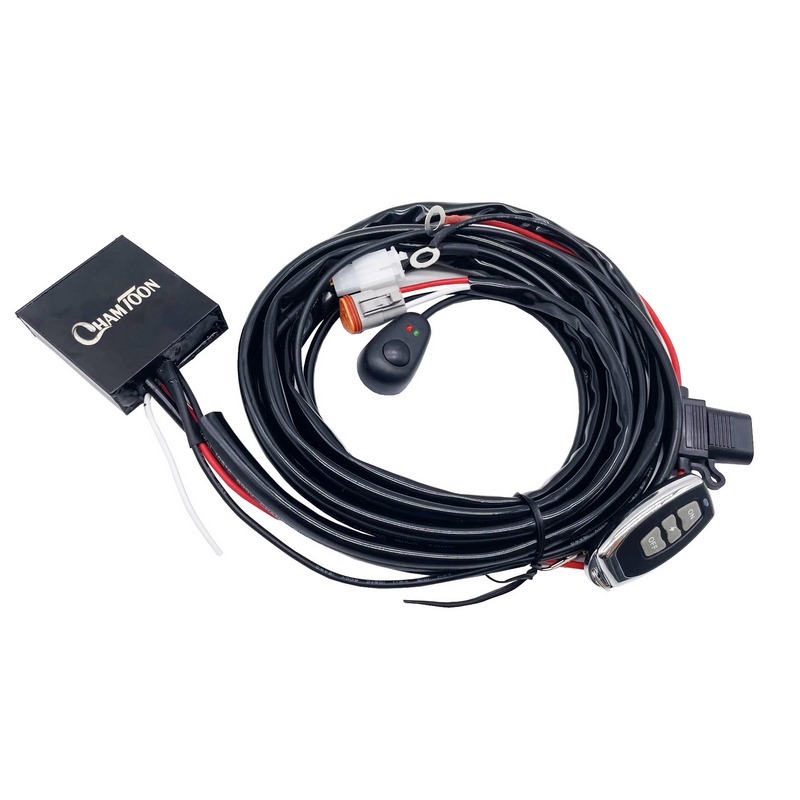
Exploring Wire Types Used in Remote Control Wiring Harness for Off-Road Vehicles
Introduction to Remote Control Wiring Harnesses
In the realm of off-road vehicles, remote control systems play a critical role in enhancing functionality and performance. These systems rely on a complex wiring harness that connects various components, ensuring seamless communication between the remote control and the vehicle's electrical systems. The **importance of choosing the right wire types** cannot be overstated, as they impact durability, signal integrity, and overall reliability.
Understanding Wiring Harnesses: What Are They?
A wiring harness is essentially a collection of wires, connectors, and terminals bundled together to transmit power and signals throughout a vehicle. In off-road vehicles, a wiring harness may be subjected to extreme conditions, including vibrations, moisture, and temperature fluctuations. Therefore, selecting the appropriate wire types is vital for maintaining performance and safety.
Key Components of a Wiring Harness
The basic components of a wiring harness include:
- **Wires**: The main conduits for electrical signals and power.
- **Connectors**: Facilitate connections between different components.
- **Insulation**: Protects wires from environmental factors.
- **Heat Shrink Tubing**: Provides additional protection and strain relief.
Types of Wires Used in Off-Road Vehicle Wiring Harnesses
When it comes to remote control wiring harnesses for off-road vehicles, several wire types stand out due to their unique properties and benefits.
1. Copper Wire
**Copper wire** is one of the most commonly used materials in wiring harnesses. Its great conductivity ensures efficient electrical transmission, making it ideal for high-performance applications.
Advantages of Copper Wire
- High electrical conductivity
- Ductility and flexibility
- Resistance to corrosion when properly coated
2. Aluminum Wire
**Aluminum wire** is a lighter alternative to copper, often used in applications where weight is a concern. While it has lower conductivity than copper, advancements in technology have improved its performance in various settings.
Advantages of Aluminum Wire
- Lightweight and easy to handle
- Cost-effective solution for larger installations
- Can be used in specific off-road applications without compromising much on performance
3. Stranded Wire
**Stranded wire** consists of multiple small wire strands twisted together. This type is advantageous for off-road vehicles as it offers greater flexibility and resistance to fatigue compared to solid wire.
Advantages of Stranded Wire
- Enhanced flexibility for complicated routing
- Better resistance to vibration and movement
- Easier to work with in tight spaces
4. Shielded Wire
**Shielded wire** includes an additional layer of conductive material that protects against electromagnetic interference (EMI). This is particularly beneficial in environments with heavy machinery and electronics.
Advantages of Shielded Wire
- Reduced signal interference
- Improved reliability in harsh conditions
- Essential for maintaining signal integrity in complex systems
Material Considerations for Off-Road Wiring Harnesses
Selecting the right wire material is crucial for ensuring that your wiring harness can withstand the rigors of off-road conditions. Here, we examine various material factors that affect performance.
1. Temperature Resistance
Off-road vehicles often experience extreme temperatures. It is vital to choose wires that can maintain performance under high and low temperature conditions. **Thermoplastic and thermoset insulations** are common choices for their temperature resistance.
2. Waterproof and Corrosion Resistance
Off-road vehicles are frequently exposed to mud, water, and other corrosive elements. Wires with waterproof insulation and corrosion-resistant coatings, such as polyurethane or PVC, offer enhanced protection.
3. UV Resistance
Wiring harnesses must also withstand ultraviolet (UV) radiation. Wires with UV-resistant coatings will last longer when exposed to sunlight, making them ideal for outdoor applications.
Choosing the Right Gauge for Off-Road Wiring Harnesses
Wire gauge significantly influences the performance of a wiring harness. In off-road applications, the gauge must be selected based on current requirements, length, and environmental factors.
1. Understanding Wire Gauge
Wire gauge is a measurement of the wire's diameter, with lower numbers indicating thicker wires. Thicker wires can carry more current but are heavier and less flexible.
2. Selecting the Appropriate Gauge
For off-road vehicles, we typically recommend using a thicker wire gauge for high-current applications, such as motors and lighting systems. Common gauges range from **12 AWG to 16 AWG**, depending on the specific requirements.
Best Practices for Wiring Harness Installation
Proper installation is just as essential as selecting the right materials. Following best practices ensures longevity and optimal performance of your wiring harness.
1. Plan the Layout
Before installation, plan the routing of wires carefully to avoid sharp edges and excessive bends. Proper **wire management** can prevent damage and wear.
2. Use Quality Connectors
Investing in high-quality connectors will prevent corrosion and ensure secure connections. Waterproof connectors are particularly beneficial for off-road applications.
3. Regular Maintenance
Conduct regular inspections of your wiring harness to check for wear, fraying, or corrosion. Early detection of issues can prevent significant failures.
Common Applications of Remote Control Wiring Harnesses in Off-Road Vehicles
Remote control wiring harnesses have various applications in off-road vehicles, significantly enhancing functionality and safety.
1. Remote Lighting Systems
Custom lighting solutions can be conveniently controlled via a remote, improving visibility during night rides.
2. Winch Control Systems
Remote winch systems allow for easier operation without the need to be near the winch, enhancing safety during off-road recovery operations.
3. Performance Monitoring Systems
Remote monitoring systems provide real-time data on vehicle performance, allowing drivers to make informed decisions during rugged excursions.
FAQs About Wiring Harnesses for Off-Road Vehicles
Q1: What are the most common wire types used in off-road vehicle wiring harnesses?
A1: The most common wire types include copper, aluminum, stranded wire, and shielded wire, each offering unique advantages for specific applications.
Q2: How do I determine the right wire gauge for my off-road vehicle?
A2: The right wire gauge depends on the current requirements and length of the wire run. Typically, a gauge between 12 AWG and 16 AWG is recommended for high-current applications.
Q3: What kind of insulation is best for off-road wiring harnesses?
A3: Wires with thermoplastic or thermoset insulation are ideal due to their durability and resistance to extreme temperatures, moisture, and UV exposure.
Q4: How can I protect my wiring harness from moisture?
A4: Use waterproof connectors and ensure proper insulation of the wires. Additionally, consider heat shrink tubing for added protection.
Q5: What maintenance should I perform on my vehicle's wiring harness?
A5: Regularly inspect the wiring harness for signs of wear or corrosion, ensure all connections are secure, and check for any exposed wires.
Conclusion
In exploring the various wire types used in remote control wiring harnesses for off-road vehicles, it becomes clear that the choices made can significantly impact performance, reliability, and durability. By understanding the materials, gauges, and installation practices, off-road enthusiasts and professionals alike can optimize their wiring harnesses for the challenges of rugged terrains. Whether you are involved in designing, manufacturing, or maintaining off-road vehicles, making informed decisions when selecting wire types will ensure a better, safer, and more enjoyable off-road experience.
Latest News

Welcome to Our Factory: Schedule Your Visit During the Canton Fair!
Schedule Your Visit Ahead of Time
To ensure we can provide you with a dedicated tour and personalized service, we recommend booking your visit in advance.

Essential Guide to Remote Control Wiring Harness for Off-Road Vehicles
When it comes to customizing off-road vehicles, one of the essential components is the remote control wiring harness. This specialized harness is designed to handle the unique demands of off-road environments, where durability and reliability are paramount. Understanding its construction, functionality, and installation can significantly enhance your vehicle's capability and ease of use.
A remote

ONLINE CONSULTATION
中企跨境-全域组件
制作前进入CSS配置样式
Get Quote:
WhatsApp:
E-mail:
Hotline::
在线客服添加返回顶部
右侧在线客服样式 1,2,3 1
图片alt标题设置: Chentong
表单验证提示文本: Content cannot be empty!
循环体没有内容时: Sorry,no matching items were found.
CSS / JS 文件放置地